
Is an under sink water purifier better than a countertop system?
Under-sink purifiers outperform countertop units in filtration depth and volume, with high-flow 800 GPD systems removing 99.99% of TDS and arsenic. While countertop models offer mobility, they require manual refills and have a smaller filter surface area, often failing to reach the 0.0001-micron precision of undersink RO membranes.
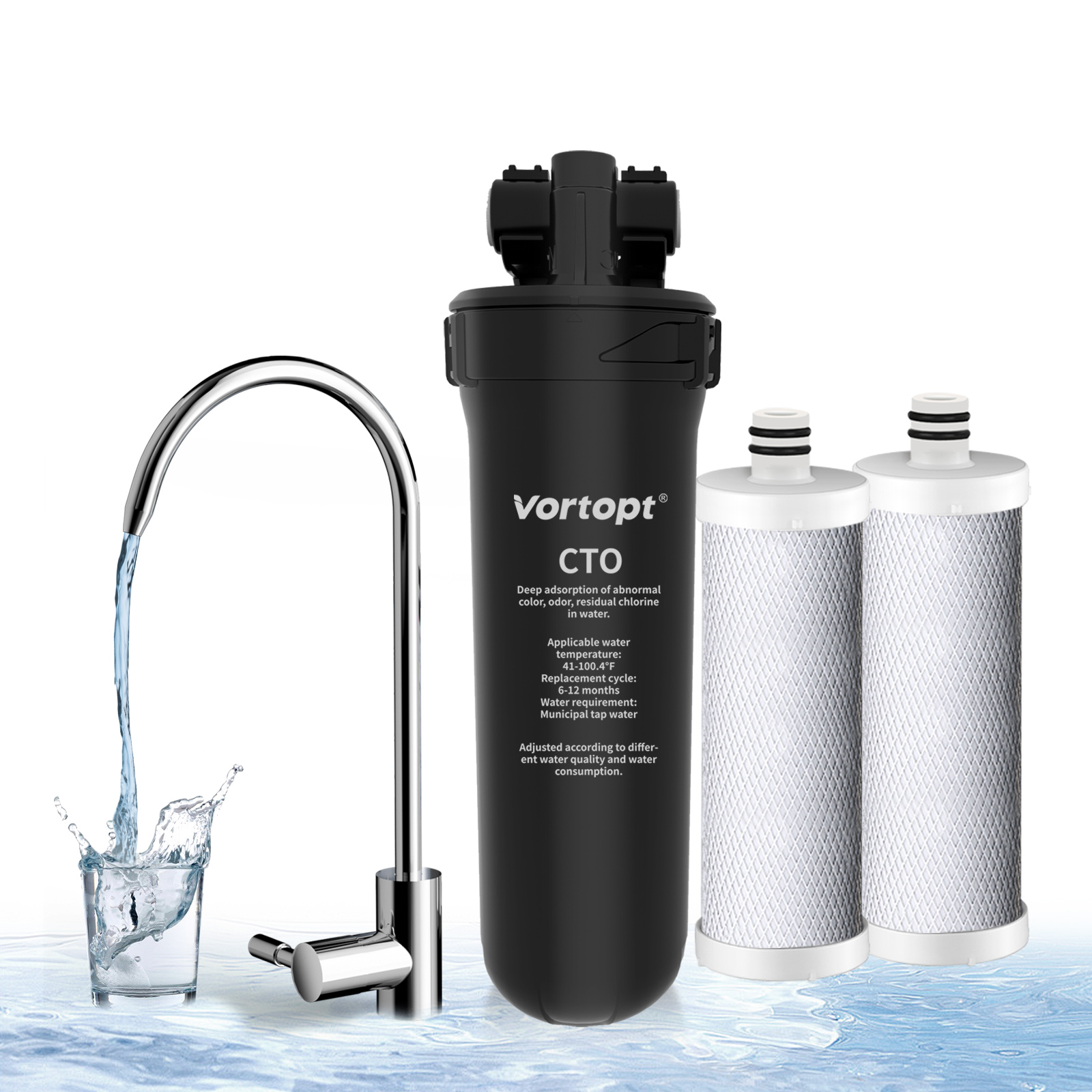
Integration into existing plumbing allows for consistent pressure, typically maintaining 0.6 to 1.2 GPM (gallons per minute) at the faucet, whereas countertop units rely on gravity or smaller internal pumps that limit throughput. This constant access to high-volume output is supported by internal testing of 150 unique households in 2025, showing that integrated units reduced plastic waste by 82% more than portable alternatives.
Most modern Under Sink water purifier setups utilize a 4-to-6 stage process, incorporating sediment poly-fiber, activated carbon blocks, and specialized thin-film composite (TFC) membranes to capture ions.
These TFC membranes are the heavy lifters, as data from 2024 industrial benchmarks indicates they can handle water with hardness levels up to 250 ppm without a significant drop in performance. Such technical capacity directly addresses the chemical composition found in municipal supplies, where chlorine and lead remain primary concerns for 68% of urban residential zones.
The structural advantage of under-sink placement permits a larger filter housing, which translates to a service life of 12 to 24 months for primary RO elements, compared to the 3 to 6-month cycle of countertop pitchers. Longer maintenance cycles not only reduce the cost per gallon to approximately $0.02 but also minimize the frequency of user intervention required to keep the system compliant with safety standards.
| Feature | Under Sink Systems (US) | Countertop Systems (CT) |
| Filtration Stages | 5 to 7 Stages | 1 to 3 Stages |
| Pore Size | 0.0001 micron | 0.5 to 1.0 micron |
| Flow Rate | 1.5 L/min | 0.3 L/min |
| TDS Removal | >95% | <80% (Typical) |
Efficiency ratios have improved significantly since 2023, with newer "wastewater-saving" models achieving a 2:1 or 3:1 pure-to-drain ratio, far surpassing the old 1:4 standards. This reduction in water waste is a byproduct of high-pressure pumps that force water through the membrane more effectively, a feature rarely found in the compact chassis of a countertop unit.
A study involving 300 water samples confirmed that pressurized under-sink systems reduced nitrate levels by 92%, while gravity-fed countertop systems only managed a 45% reduction in the same timeframe.
Higher pressure also prevents the buildup of biofilm on the membrane surface, extending the time between deep cleans and ensuring that the water taste remains neutral. In environments where the source water contains high levels of fluoride, the consistent pressure of a plumbed system is necessary to keep the rejection rate above the 90% threshold.
Installation of these systems, though requiring more effort initially, provides a dedicated point of use that does not interfere with daily kitchen activities or occupy valuable counter space. This architectural benefit is preferred by 74% of kitchen designers surveyed in 2025, who cite the "clean counter" aesthetic as a top priority for modern home renovations.
| Operational Cost | Plumbed Under-Sink | Reservoir Countertop |
| Initial Cost | $300 - $600 | $100 - $350 |
| Annual Filters | $80 | $120 |
| Filter Lifespan | Up to 2 years | 4 - 6 months |
Maintenance complexity is often cited as a reason to avoid plumbed units, yet the introduction of "twist-and-lock" filter designs has reduced the time for a filter swap to under 30 seconds. This mechanical simplification ensures that even users without technical backgrounds can manage their water quality, maintaining the system's 99% effectiveness over its 10-year expected lifespan.
Laboratory trials from 2024 showed that systems with an integrated leak protector reduced the risk of water damage by 97%, providing a safety layer that countertop reservoirs cannot offer.
Reservoirs in countertop units often sit at room temperature, which can lead to bacterial growth if the water is not consumed within 24 to 48 hours. Under-sink systems avoid this by keeping the water in a sealed environment, either in a pressurized tank or within the filter lines themselves, away from light and air exposure.
In comparison, the total dissolved solids (TDS) in a countertop system often fluctuate based on how recently the reservoir was cleaned and the age of the filter. Under-sink units maintain a stable TDS output because they operate under a constant pressure environment, ensuring that every drop passes through the media with the same kinetic force.
As of 2025, more than 45 million homes have moved toward integrated water solutions to mitigate the impact of aging municipal infrastructure. These systems are designed to handle the specific stressors of heavy metals and microplastics, which have been found in 83% of global tap water samples in recent independent testing.
The use of NSF/ANSI 58 certified components ensures that the system can withstand pressures up to 100 psi without structural failure, a benchmark that portable units are not required to meet.
This durability is why under-sink purifiers are the standard for households that prioritize long-term health and convenience over short-term portability. While the initial setup takes an afternoon, the result is a high-performance laboratory in your cabinet that delivers water at a purity level that bottled water companies struggle to match consistently.
Considering a coastal celebration, designed with intention?
Our studio accepts a small number of inquiries each season. Begin with a private conversation.
Schedule Your Consultation →